The Medicare Advantage Agent Ideas
Medicare Advantage Agent - Questions
Table of ContentsThe Of Medicare Advantage AgentNot known Facts About Medicare Advantage AgentMedicare Advantage Agent Fundamentals ExplainedNot known Facts About Medicare Advantage AgentMedicare Advantage Agent for DummiesThe Single Strategy To Use For Medicare Advantage AgentFacts About Medicare Advantage Agent Uncovered
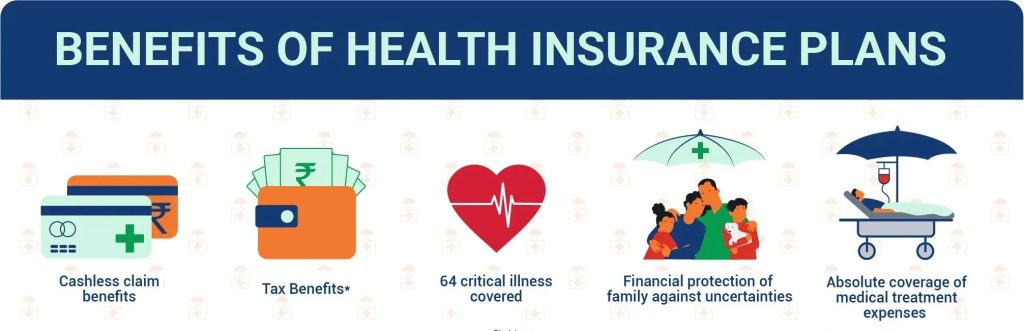
Health treatment insurance coverage aids you get the treatment you need and safeguards you and your household monetarily if you obtain unwell or injured. Watch: Are you suddenly needing health and wellness insurance coverage? All health and wellness intends need you to.
The Only Guide for Medicare Advantage Agent
pay some of the cost of price health careWellness
You'll additionally have a copayment if you go to the emergency situation space or see an expert. The amounts differ by plan. is a quantity you spend for a covered solution after you have actually met your deductible. It's usually a percent of the expense of the service. For instance, your health and wellness strategy may pay 80 % of the cost of a surgery or hospital keep.
The percent you pay in coinsurance varies by strategy. You usually do not have to pay coinsurance in an HMO. Federal regulation sets limitations on the quantity you pay out of pocket in a strategy year. Some plans have reduced out-of-pocket limits. After you get to the limit, you don't need to pay copayments or coinsurance for the remainder of the strategy year.
The Basic Principles Of Medicare Advantage Agent

The four types are: HMO strategies. Unique service provider (EPO) strategies. Preferred company (PPO) strategies. Point-of-service strategies. All 4 kinds are managed treatment strategies. This implies they contract with physicians and various other healthcare providers to treat their participants at affordable rates. These service providers comprise a strategy's network. Handled treatment strategies restrict your selection of medical professionals or urge you to use physicians in their networks.
The plans differ in the level to which you can utilize doctors outside the network and whether you must have a physician to oversee your treatment. If you don't, you could have to pay the full cost of your treatment on your own.
The amounts differ by plan. Your health and wellness strategy might pay 80 % of the expense of a surgical treatment or health center remain.
Medicare Advantage Agent Things To Know Before You Get This
The portion you pay in coinsurance varies by plan. Federal law sets restrictions on the quantity you pay out of pocket in a strategy year.
A plan year is the 12-month period from the date your coverage began - Medicare Advantage Agent. There are 4 types of major medical health strategies in Texas.
The 4 types are: HMO plans. Unique company (EPO) plans. Preferred service provider (PPO) strategies. Point-of-service strategies. All four kinds are handled care strategies. This indicates they contract with doctors and various other health and wellness care providers to treat their participants at reduced rates. These carriers comprise a strategy's network. Handled care strategies limit your selection of hop over to here physicians or encourage you to use medical professionals in their networks.
The strategies vary in the degree to which you can make use of physicians outside the network and whether you have to have a physician to manage your care. You need to make use of suppliers in the HMO's network. If you do not, you could have to pay the full price of your care on your own. There are exceptions for emergencies and if you require treatment that isn't offered in the network.
The Buzz on Medicare Advantage Agent
The quantities differ by plan. Your get more health strategy may pay 80 % of the price of a surgical procedure or health center remain.

The percentage you pay in coinsurance differs by plan. You generally don't need to pay coinsurance in an HMO. Federal legislation establishes limitations on the quantity you pay out of pocket in a strategy year. Some plans have reduced out-of-pocket limits. After you get to the limit, you don't need to pay copayments or coinsurance for the remainder of the strategy year.
A plan year is the 12-month period from the date your protection began. There are 4 types of significant clinical health plans in Texas.
Special carrier (EPO) strategies. All 4 kinds are handled care plans. Handled care plans limit your choice of doctors or urge you to make use of medical professionals in their networks.
The Main Principles Of Medicare Advantage Agent
The strategies differ in the extent to which you can make use of physicians outside the network and whether you must have a medical professional to oversee your treatment. You need to use providers in the HMO's network. If you do not, you might need to pay the complete expense of your care on your own. There are exceptions for emergency situations and if you need treatment that isn't offered in the network.
You'll also have a copayment if you most likely to the emergency clinic or see a professional. The amounts differ by plan. is a quantity you pay for a covered solution after you've satisfied your insurance deductible. It's normally a percentage of the expense of the solution. Your wellness plan could pay 80 % of the expense of a surgery or healthcare facility keep.
The percent you pay in coinsurance differs by strategy. Federal regulation establishes limits on the quantity you pay out of pocket in a strategy year.
A plan year is the 12-month duration from the day your protection started. There are four types of significant clinical health and wellness strategies in Texas.
5 Easy Facts About Medicare Advantage Agent Shown
Unique supplier (EPO) plans. All four types are handled treatment plans. Taken care of care strategies restrict your choice of medical professionals or encourage you to utilize medical professionals in their networks.
The plans vary in the level to which you can use doctors outside the network and whether you need website link to have a doctor to supervise your treatment. If you do not, you might have to pay the full expense of your care on your own.